Table of Contents
Introduction
In the past few years, a new idea has quietly grown in online art and fan communities.
This idea is called Dojen Moe.
At first, the name may sound strange or confusing. Many people have no idea what it means when they hear it. But once you understand the meaning behind this term, you will see why so many artists, fans, and creators have fallen in love with it.
Dojen Moe is not just an art style.
It is not just a trend. It is a feeling, a mood, and a soft emotional space where art becomes warm, gentle, and meaningful. In this article, I will explain this most simply. We will look at what it means, where it came from, why it became so popular, how people use it in art and stories, and why it matters today.
What Does Dojen Moe Mean?
To understand It, let’s break the term into two parts.
1. “Dojen”
This word comes from doujin, a Japanese term. Doujin means self-made work. These are stories, comics, drawings, or books created by fans or small artists, not big companies. Doujin creators make things because they love them, not because of money or rules. They follow their own ideas, their own style, their own emotions.
Doujin culture encourages:
- freedom
- creativity
- passion
- emotional expression
- personal storytelling
This spirit is a big part of Dojen Moe.
2. “Moe”
“Moe” is a well-known term in Japanese pop culture. It describes the warm, soft feeling you get when you see something cute, kind, emotional, or touching.
For example:
- a shy smile
- a soft moment between friends
- a character who tries their best
- a sweet memory
When you feel something warm in your heart—that is “moe.”
Putting Them Together: Dojen + Moe
Dojen Moe means art and stories created from the heart, filled with soft, gentle emotion.
It is:
- personal
- warm
- emotional
- creative
- calming
It is not strict. There are no rules, no specific shapes, no perfect lines. It is more like a soft feeling that the art gives you.
Where Did Dojen Moe Come From?
Dojen Moe is not totally new. It grew slowly from different cultures and creative spaces.
Here are the three main influences:
1. Doujin Culture in Japan
For decades, Japanese artists have created doujin stories and comics.
These creators focus on:
- personal ideas
- emotional characters
- freedom in storytelling
Many famous artists started in doujin communities. Because doujin works are made from passion, they often feel more human and honest than big commercial works. This mindset helped shape this into what it is today.
2. Moe Aesthetics
The “moe” feeling has been part of anime, manga, and fan culture for years.
People love characters who are:
- soft
- sweet
- emotional
- gentle
- relatable
These feelings became a big part of online fan art. Over time, artists mixed emotional warmth with personal creativity—and Dojen Moe was born.
3. Global Online Communities
When the internet grew, fans around the world started sharing their art online. People mixed Japanese ideas with their own cultures. Emotions, colors, art styles, and stories all blended. This global sharing helped the concept of this spread across the world.
What Makes Dojen Moe Special?
Here are the main features that make It easy to recognize:
1. Soft, Gentle Emotions
It is full of small emotional moments, like:
- a quiet smile
- a peaceful sunset
- a moment of comfort
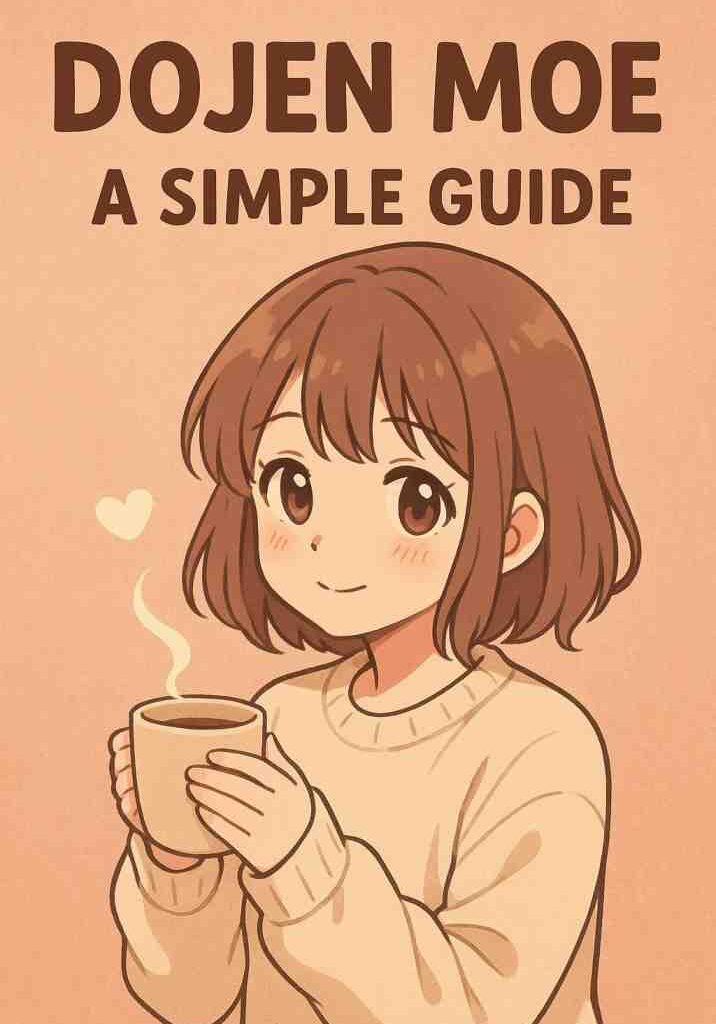
- a character holding a warm drink
- a soft conversation between friends
These small things create a calm and warm feeling.
2. Soft Visual Style
Artists often use:
- pastel colors
- smooth lines
- soft light
- simple backgrounds
- expressive eyes
Nothing is loud or strong. The art feels quiet and peaceful.
3. Mix of Fan Art and Original Characters
- It is flexible.
- Some artworks show well-known characters from anime or games.
- Others show completely new characters.
- Both are welcome.
4. Strong Community Feeling
This community is friendly and supportive.
People often:
- share tips
- collaborate
- draw together
- create zines
- encourage beginners
- celebrate small artists
This kindness is a big part of this atmosphere.
5. Freedom to Explore
There are no rules.
Artists can mix Dojen Moe with:
- fantasy
- sci-fi
- slice of life
- romance
- comedy
- dark themes with soft visuals
This freedom helps the trend grow every year.
Why Do People Enjoy this?
Here are simple reasons why Dojen Moe is so loved:
1. It Feels Human
In a world full of filters, ads, and fast content, Dojen Moe feels honest and real.
2. It Helps People Relax
Life can be stressful. Soft colors and peaceful art help people feel calm.
Some fans say it helps them:
- reduce stress
- feel understood
- enjoy quiet moments
- feel less lonely
3. Anyone Can Create It
You don’t need perfect skills. You just need feelings.
4. It Supports Small Artists
Dojen Moe celebrates independent creators more than big studios.
5. It Brings People Together
Many fans feel a sense of friendship and belonging in the community.
6. It Feels Warm and Comforting
People love art that makes them feel safe, peaceful, and connected.
Where Do We See Dojen Moe?
Dojen Moe appears in many types of media:
1. Digital Art
Most of this art is shared online.
Common themes include:
- emotional characters
- quiet moments
- warm colors
- simple designs
- soft lighting
2. Webcomics
Short comics often show:
- friendship
- comfort
- daily life moments
- emotional memories
Even 3–4 panels can create deep emotion.
3. Animation and Short Videos
Some creators make gentle animations with:
- slow movement
- soft music
- emotional scenes
- minimal dialogue
These videos feel calming and warm.
4. Zines and Fan Projects
Artists collaborate to create collections of art and stories.
These projects help the community grow stronger.
5. Personal Journals and Diaries
Many people use the Dojen Moe style for their personal journals, sketchbooks, or diary-style art.
How Different Cultures Use Dojen Moe
It changed as it spread around the world. Different communities add their own flavor.
For example:
- Western artists may mix Dojen Moe with game characters or cartoon characters.
- Asian artists may add local folklore or cultural symbols.
- European artists may mix soft emotions with historical or natural themes.
The spelling also changes:
- Dojen Moe
- Doujen Moe
- DojanMoe
But the feeling stays the same everywhere.
Problems and Criticisms of Dojen Moe
Not everyone likes Dojen Moe. Some common complaints include:
1. “Too Cute” or “Too Soft”
Some people think it is overly emotional or unrealistic.
2. Repeated Styles
Because many artists use pastel colors and simple designs, some artworks look similar.
3. Cultural Misunderstandings
Japanese words sometimes lose meaning when used worldwide.
4. Hard to Earn Money
Most artists are hobby creators.
It’s difficult for them to make a living.
5. Risk of Commercialization
If big companies try to profit from It, the original emotional feeling might fade.
The Future of Dojen Moe
The future looks bright.
Here are some possible directions:
1. Emotional VR/AR Experiences
Creators may build soft, emotional worlds that people can walk through.
2. Helpful AI Tools
AI might help with:
- color palettes
- poses
- soft effects
But the emotional feeling will always come from humans.
3. Mixing with More Genres
We might see more Dojen Moe combined with:
- fantasy
- sci-fi
- mystery
- daily life stories
- romance
4. New Community Platforms
More websites or apps dedicated to Dojen Moe could appear.
5. Global Recognition
Dojen Moe may eventually appear in exhibitions, art shows, or online museums.
How to Join the Dojen Moe Community
Here are simple tips:
- Respect the feelings in the art.
- Support small artists by sharing or buying their work.
- Don’t claim you invented the style.
- Learn gently from the community.
- Respect the Japanese roots of the idea.
- Be kind and open-hearted.
Final Thoughts
Dojen Moe is more than just an art style. It is a gentle reminder that emotions matter. Small moments matter. Human feelings matter.
In a fast digital world, It gives us:
- calm
- comfort
- creativity
- connection
- warmth
- honesty
Whether you are an artist, a fan, or someone who loves soft and meaningful art, Dojen Moe welcomes you. It is a feeling. A connection.
A quiet, beautiful way to show the heart.
You can also read our latest post .