Table of Contents
Introduction
Afruimwagens are becoming popular across many industries—and it’s easy to see why. These smart, strong, and flexible vehicles help people work faster and easier. Whether you are moving through tough farmland or driving in a busy city, Afruimwagens offer features that fit almost every need.
Today, you will learn what Afruimwagens are, where they started, how they changed over time, the different types, their benefits, safety tips, and why they are important in farming and other industries. Let’s explore everything in easy and simple language.
What Are Afruimwagens?
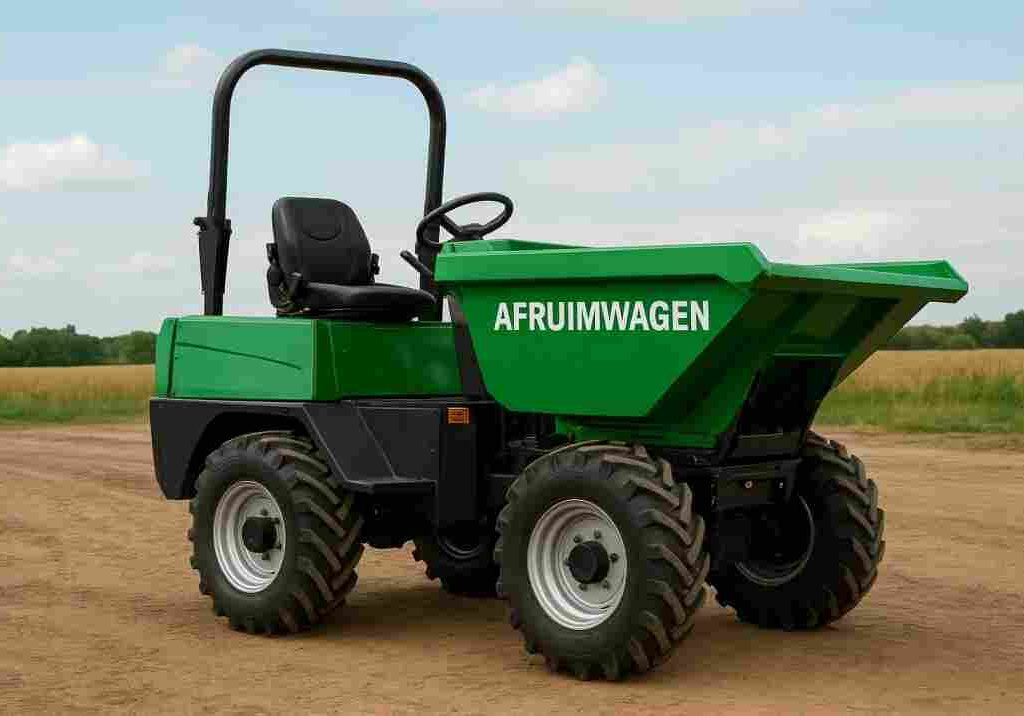
An Afruimwagen is a special type of vehicle made for different kinds of work. They are strong enough for heavy tasks but still easy to handle. Their design helps them move smoothly across rough ground, farms, construction sites, and even narrow city roads.
Many Afruimwagens look like compact utility trucks. They come with powerful engines and modern features, which help workers complete their jobs safely and quickly.
The name “afruimwagen” comes from farming communities, where these vehicles were first used to carry crops and tools. Over time, they became helpful in many more industries.
Why people love Afruimwagens:
- They can be customized for different uses.
- They work well on all kinds of terrain.
- They carry heavy loads.
- They are durable and long-lasting.
History and Evolution of Afruimwagens
Afruimwagens have a long and interesting past. They were first used in farming for carrying produce from the fields to markets. Early versions were simple wooden carts pulled by animals.
With time, new materials and technology improved their design. Wheels became stronger, bodies became more durable, and engines replaced manual pulling.
Modern Afruimwagens now include:
- Hydraulic systems
- Lightweight but strong materials
- Eco-friendly engines
- Smarter controls
Today, they’re used in construction, farming, logistics, tourism, and even city services.
Types of Afruimwagens
Afruimwagens come in different types depending on what they are used for and where they are needed. The standard Afruimwagen is commonly used for general transport on farms and rough roads. The agricultural Afruimwagen is designed specially for farming work and can carry tools like plows, seeders, or harvest attachments. A compact Afruimwagen is smaller in size, making it perfect for tight city streets or small industrial spaces. The electric Afruimwagen is an eco-friendly option that runs quietly and works well both indoors and outdoors while helping reduce pollution and fuel costs.
Each type has its own benefits, but all Afruimwagens are known for providing strong and reliable performance.
Benefits of Using Afruimwagens
- They are strong and can carry heavy things
Afruimwagens do not break easily. They can move big or heavy loads without problems. - They work on all kinds of roads
You can use them on farms, hills, muddy areas, or in the city. They can handle rough or smooth roads. - They are comfortable to use
New models have soft seats and easy controls. You can use them for many hours without feeling too tired. - They are safe
They have good brakes, lights, and a steady design. These features help prevent accidents. - They are better for the environment
Electric Afruimwagens make less smoke and less noise, which is good for nature.
Features of Modern Afruimwagens
- Strong and durable frames for heavy work
- GPS for easy navigation in fields or rough areas
- Comfortable, ergonomic seats for long hours
- Powerful brakes for safer stopping
- Bright reflectors for better visibility
- Low fuel use to save money
- Electric models for eco-friendly use
- Smooth steering for easier control
- Large storage space for carrying goods
- Strong tires that handle rough roads well
These features make modern Afruimwagens safer, easier to operate, and more efficient for everyday tasks.
How to Use an Afruimwagen Safely
Using an Afruimwagen safely matters a lot, not just for the machine but for you too. Start by reading the manual. It may feel boring, but every Afruimwagen works a bit differently, and knowing the basics helps you avoid mistakes.
Before you begin, take a quick look at the tires, brakes, fluids, and hydraulics. If anything seems off, fix it right away instead of hoping it will be okay later.
When you load the vehicle, don’t pile on too much. Keep the weight balanced so it doesn’t lean or tip. Make sure people around you can see you, and always use your lights and signals when you move.
Wear your safety gear—helmet, gloves, and strong shoes. It might feel unnecessary sometimes, but it can protect you from real injuries.
While driving, take it slow. Sudden turns or hard braking can shift the load and cause problems. Try to stay on even, safe ground. Keep your hands and feet away from any moving parts, no matter how small.
If you stop for a break, turn off the engine. Also, don’t let anyone ride along; the Afruimwagen is not built for passengers.
Most importantly, stay alert. Look around, watch for people, animals, or anything in your path, and take your time. A little care goes a long way.
Choosing the Right Afruimwagen
- Know your work : Choose one that matches what you do every day.
- Think about the ground :If your area is muddy or rocky, pick a strong one with a good grip.
- Pick the right size :Not too small, not too big—just the size you need.
- Read reviews :See what other people say before you buy.
- Check fuel use :Choose one that does not waste fuel.
- Look for comfort :Easy controls and a good seat help a lot.
- Check if it’s easy to repair. :Make sure parts are easy to find.
- Check safety :Good brakes and strong lights are important.
- Test it if possible :Try it out to see if it feels right.
- Know your budget :Buy one that fits the money you can spend.
Future of Afruimwagens
The future of Afruimwagens looks bright. In the coming years, we will see more electric and hybrid models that use less fuel. They will have smarter navigation to help drivers move safely. Some features may even work automatically. The machines will be made with lighter but stronger materials. They will also cost less to use.
As technology improves, Afruimwagens will become even more useful in farming, construction, and transport.
Traditional and Cultural Origins
Afruimwagens have deep cultural roots in many African and rural communities. They were first made from local materials and were seen as symbols of strength, unity, and everyday survival. Over time, they became an important part of village trading, harvest work, and even local ceremonies and events. Each design had its own meaning and showed the identity and story of the community.
In conclusion
Afruimwagens are more than simply machinery; they are strong, useful tools that help people get things done. They can transfer supplies, carry large objects, and help with a lot of various things. They have gotten better over the years because of new technology, but their basic objective is still the same: to help people get more done, save time, and make things easier.
You may discover Afruimwagens in a lot of places. They assist farmers in getting their work done faster by carrying crops, equipment, and other supplies on farms. They move things and help with delivery in cities. They move things around on building sites and make the work safer and easier. They are crucial for everyday labour, even in small towns and rural locations.
Afruimwagens also illustrate how creative people can be. People have always strived to develop better methods to do things, and these machines are one illustration of that. They keep making life easier by integrating good design with new ideas and technology.
As technology gets better, so will Afruimwagens. They will still be useful in farms, towns, construction, and other fields all around the world. They help people save time, perform less work, and get more done in less time.
You can also read our latest post.